
Auckland homes collect a lot of moisture. People breathing, cooking, showering and drying clothes all put water into the air, and in a cool house that water ends up on the coldest surfaces: windows, outside walls, wardrobe backs and ceilings. That is condensation, and where it stays wet, mould follows.
Ventilation is about replacing that damp indoor air with drier air before it does damage. Sometimes the answer is as simple as a properly ducted bathroom fan. Sometimes it is a whole house system. We start with the problem, not the product, and we will tell you if better heating or a fan is all you need. If you are building new or have an airtight home, see our heat recovery ventilation page.
Pricing: every job starts with a free in-home assessment and a written quote, with a fixed price agreed before any work starts.
Building new or renovating to an airtight standard? Balanced systems that recover heat are covered under heat recovery ventilation.
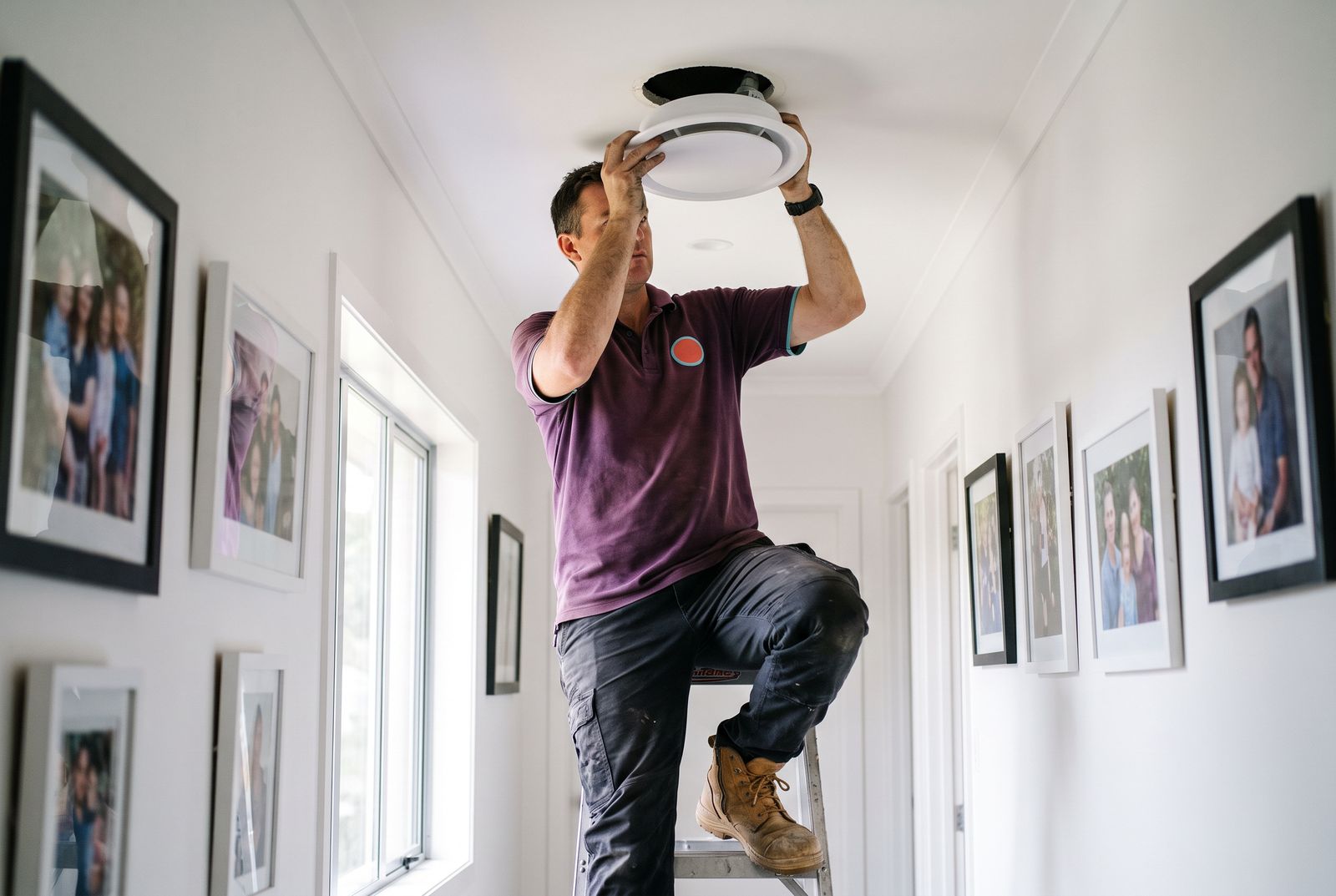
Where the moisture comes from
Everyday living adds a surprising amount of water to the air. Smarter Homes figures quoted by ANZ put cooking at about 3 litres a day and each shower at about 1.5 litres. EECA has estimated that an average New Zealand family produces around 8 litres of moisture inside the home each day. Drying washing on a rack indoors, unflued gas heaters and a damp subfloor add more.
BRANZ notes that ventilation is important to remove excess moisture and pollutants such as carbon dioxide, and its research has found that many New Zealand homes are underventilated. Warm air holds more moisture than cold air, so when that air meets a cold window it releases the water as condensation.
Signs your home needs better ventilation
If two or more of these are true for your home in winter, moisture is building up faster than it is leaving.
- Windows streaming with water most mornings
- Black mould on window frames, ceilings, curtains or in wardrobes
- A musty smell in bedrooms or closed rooms
- Peeling paint, stains or watermarks on walls and ceilings
- Bathroom mirrors that stay fogged long after a shower
- Clothes, shoes or bedding that feel damp or grow mould
How It Works
Fix the basics first
Government guidance on building.govt.nz is clear that ventilation systems are not the first step. Sort out insulation and draughts, install effective heating and deal with sources of dampness first. A whole house system can then help if you still have condensation problems.
In practice, the basics are: ducted extractor fans in the kitchen and bathroom that vent outside, a ground vapour barrier under a damp suspended floor, clothes dried outside or in a vented dryer, and a heating source that keeps living areas at a healthy temperature. EECA suggests heating to 18 degrees or above to help fight damp. Opening windows fully for 10 to 15 minutes can replace most of a room's moist air, a tip BRANZ has shared. A properly sized heat pump installation run on heat or dry mode also helps.
Ventilation systems compared
There are three main types of mechanical ventilation in New Zealand homes, plus spot extraction. Each suits a different house.
Extractor fans remove moisture at the source. The Healthy Homes Standards for rentals set minimums for new fans: 150mm diameter or 50 litres per second in kitchens, and 120mm or 25 litres per second in bathrooms, ducted to the outside. Positive pressure systems are the most common whole house type in New Zealand. They draw air, usually from the roof space, filter it and push it into the house through ceiling vents, forcing stale air out through gaps. Building.govt.nz notes that their performance depends on fan sizing, vent placement and how airtight the home is, warns that roof space air can carry dust, mould and other contaminants, and says these systems must never be installed in homes with asbestos roof cladding. Balanced systems use two fans, one bringing in fresh outdoor air and one exhausting stale air, usually through a heat exchanger. They cost more and work best in more airtight homes.
Costs
The right fix varies a lot in cost, which is why we assess before we quote. NZ Green Building Council figures published by ANZ put an extractor fan at around $1,000 installed on average, and a whole house ventilation system including heat recovery at around $15,000 to $20,000 installed for an average home. These are third party estimates, not our prices. Positive pressure systems usually cost less than balanced systems, and your actual price depends on the size of the house, roof access and how many outlets you need.
Running costs are mostly the fans, which run continuously or on a controller. Filters need cleaning or replacing, typically about every 12 months, so factor that in when comparing options.
Auckland homes and the rental rules
Auckland's housing mix makes a one size answer impossible. Older villas and bungalows on piles are draughty, and damp often comes up from the ground. 1970s and 1980s homes with low pitched roofs and little insulation suffer cold, wet windows. Newer terraced homes and apartments are tighter, and moisture from cooking and showers has fewer ways out.
For landlords, note that a whole house system that recirculates air does not replace the kitchen and bathroom extraction the Healthy Homes ventilation standard requires. Fans must vent to the outside. If you are sorting out rental compliance, we can handle heating and ventilation together; see our Healthy Homes heating assessments.
Why Choose Cheeky's Heat Pumps for Home Ventilation
Problem first
We look at where the moisture comes from before recommending anything, and often start with fans or heating.
All system types
Extractor fans, positive pressure and balanced heat recovery systems, so our advice is not tied to one product.
Heating and ventilation together
One team for heat pumps and ventilation, so the two are sized to work together.
Rental aware
We know what the Healthy Homes ventilation standard does and does not accept.
Home Ventilation FAQs
Will a ventilation system stop condensation completely?
It reduces it, often a lot, but heating and moisture sources matter too. Government guidance recommends fixing insulation, heating and dampness first, then adding a system if condensation remains.
What is the difference between positive pressure and balanced ventilation?
Positive pressure pushes filtered air, usually from the roof space, into the house. Balanced systems use two fans to bring in outdoor air and remove stale air at the same rate, usually through a heat exchanger.
Is roof space air clean enough to use?
It can be dusty, damp or contaminated, and building.govt.nz warns about this. Systems should never be fitted under asbestos roof cladding. We inspect the roof space before recommending a positive pressure system.
Does a ventilation system meet Healthy Homes rules for rentals?
Not on its own. Kitchens and bathrooms still need extraction that vents outside, or a qualifying continuous mechanical system.
Can my heat pump's dry mode replace ventilation?
Dry mode removes moisture from the air in one room, which helps. It does not bring in fresh air or deal with moisture in other rooms.
How long does installation take?
A ducted extractor fan is usually a few hours. A whole house system is usually a day, depending on roof access and the number of outlets.
Home Ventilation Near You
Find your region or suburb for local home ventilation information:
Related Heat Pump Services
Home Ventilation Guides
- Home Ventilation Systems in NZ: Cost and Which Type to Choose
- How to Stop Condensation on Windows: An Auckland Guide
- Healthy Homes Standards NZ: A Landlord's Checklist for 2026
See the heat pump prices guide or every service we offer.