
Wet windows on a winter morning are one of the most common complaints in Auckland homes. NIWA data puts average 9am relative humidity in Auckland at around 82 percent across the year, so the air starts damp before anyone has showered or cooked, and cold single glazing is the first surface it condenses on.
Wiping the glass deals with the symptom. This guide works through the three things that actually stop it: less moisture, more warmth and better airflow, and when it is time to look at home ventilation rather than another squeegee.
What causes condensation on windows?
Condensation forms when warm, moist indoor air touches a surface colder than its dew point, and the water vapour turns back into liquid. Windows are usually the coldest surface in the room, so they show it first.
Two things set how bad it gets: how much moisture is in the air, and how cold the glass is. A household adds a surprising amount of water every day. EECA has estimated an average NZ family produces around 8 litres of moisture inside the home daily, and Consumer NZ breaks down where it comes from.
| Moisture source | Amount (Consumer NZ) |
|---|---|
| Drying clothes inside | Up to 5 litres per load |
| Cooking | Up to 3 litres a day |
| Showers and baths | Up to 1.5 litres per person per day |
| Unflued gas heater | Up to 1 litre per hour |
| Damp ground under the house | As much as 40 litres per day per 100 square metres |
How do I stop condensation on windows overnight?
Overnight condensation comes from breathing and from moisture added in the evening, sitting in a cooling room until morning. Cut what goes into the air before bed, keep the room from getting cold, and give the moisture somewhere to go.
Heat is the lever people underuse. Consumer NZ suggests keeping rooms at least 7 degrees warmer than outside, and EECA suggests heating to 18 degrees or above to help fight damp. Steady, low-level heat from a correctly placed heat pump keeps the glass and walls warmer than short bursts from a portable heater. If you are relying on a fan heater or an unflued gas heater, heat pump installation is usually both drier and cheaper to run.
- Dry washing outside or in a vented dryer, never on a rack in the bedroom.
- Run the bathroom fan during showers and for a while after, and keep the door shut.
- Use lids on pots and the rangehood whenever you cook.
- Stop using unflued gas heaters indoors.
- Air bedrooms for 10 to 15 minutes each morning, even in winter.
- Keep living areas and bedrooms heated steadily in the evening.
Does double glazing stop condensation?
Double glazing reduces condensation on the glass but does not remove the moisture causing it. Gen Less says double glazing helps reduce heat loss and condensation on the glass, because the inner pane stays warmer.
If the air is still very damp, the moisture finds the next coldest surface instead, such as aluminium frames, the corners of outside walls or the back of a wardrobe. Gen Less notes uPVC and timber frames are less likely than aluminium to attract condensation, and that shrink-wrap secondary glazing kits are a low-cost option that can also reduce condensation. In Grey Lynn villas, where single glazing and mature street trees that shade rooms in winter are both common, secondary glazing plus heating and extraction usually does more than glazing alone.
Tired of wiping the windows?
Cheeky's Heat Pumps can work out whether your home needs more heat, better extraction or a ventilation system, and fix the cause.
Can condensation on windows cause mould?
Yes. Water running off the glass soaks into timber sills, curtains and the edges of the wall lining, and mould grows wherever surfaces stay damp for long periods.
Black spots on window frames, curtains that smell musty and mould in the corners of outside walls are all signs the house is carrying too much moisture. Clean mould off properly and dry the surface, but expect it back unless you change the conditions that grew it. Damp subfloors make it worse. In older Ellerslie homes, damp under the house adds to the moisture already coming from inside, and a ground moisture barrier is often part of the fix. If you are not sure where the moisture is coming from, Cheeky's Heat Pumps checks the subfloor, fans and roof space as part of a ventilation assessment.
Does a heat pump's dry mode help with condensation?
It can help, but it is not the best tool on a cold night. Dry mode removes moisture by running the indoor coil cold so water condenses on it and drains outside, which also cools the room slightly.
Consumer NZ notes a heat pump cannot heat and dehumidify at the same time, so dry mode on a winter evening may leave you chilly, and it suggests a dedicated dehumidifier alongside the heat pump on heating mode gives better results for a damp room. As a rule of thumb, Consumer NZ says a 5 to 8 kW living room unit can remove about 3 to 5 litres an hour at best. Dry mode is most useful on mild, muggy days. In winter, heat mode plus ventilation does more for your windows.
How much condensation on windows is normal?
A light mist along the bottom of single-glazed windows on the coldest mornings is common in Auckland and is easy to manage. Water that runs down the glass and pools on the sills every morning is not normal and means the house is too damp.
A simple test is to look at how much you wipe up. If one cloth handles it and the glass dries by mid-morning, the basic steps above will usually be enough. If you are wringing out towels, finding mould behind furniture, or the problem is just as bad on mild nights, look at extraction, heating and ventilation together. Shaded sections make it harder: in Henderson, mature trees keep many homes cool and damp through winter, so condensation is common even when households are careful.
When is it time for a ventilation system?
It is time to consider a ventilation system when you have dealt with moisture sources, heat the house steadily and still get streaming windows. That usually means the house is not exchanging enough air, which is common in sealed modern homes and in older homes with poor extraction.
Consumer NZ says dehumidifiers can cost up to $2.50 a day to run and treat the symptom rather than the cause. A whole-house system replaces damp indoor air continuously. In well-sealed homes, heat recovery ventilation does it while keeping most of the heat. Cheeky's Heat Pumps installs both ventilation and heating, so we can tell you which lever your home is missing. You can book a free assessment and we will check the windows, the roof space and the fans before recommending anything.
Frequently Asked Questions
Does opening a window in winter make condensation worse?
No. Opening windows for a short time lets damp air out and drier outdoor air in, even when it is cold and grey outside. The trick is short and wide rather than a small gap all day, then closing up and heating again. Building.govt.nz guidance says it is worth opening windows in winter to let the house dry out.
Do moisture absorbers or salt crystals work?
They collect a small amount of water in a cupboard or wardrobe, but they cannot keep up with the litres a household produces each day. They are fine for a musty cupboard. For windows, extraction, heating and airing the house do far more.
Why are my windows wet on the outside?
Condensation on the outside of the glass happens on clear, still mornings when the glass cools below the outdoor dew point. It is a weather effect, not a moisture problem in your house, and it is more common with well-insulated double glazing because less heat escapes through it. It clears as the sun warms the glass.
Is condensation worse in new homes?
It can be. Modern homes are more airtight, so moisture from cooking, showers and breathing has fewer ways out. BRANZ research found natural air leakage in a typical new Code-compliant home falls below what is needed for good ventilation, so extraction or a mechanical system has to make up the difference.
Will a dehumidifier stop condensation on windows?
A dehumidifier lowers moisture in the room it is in and can noticeably reduce condensation there. Consumer NZ says the best models it tested removed up to 9 litres a day at 12 degrees. It does not fix the source, costs money to run and only treats one room at a time.
Our Services
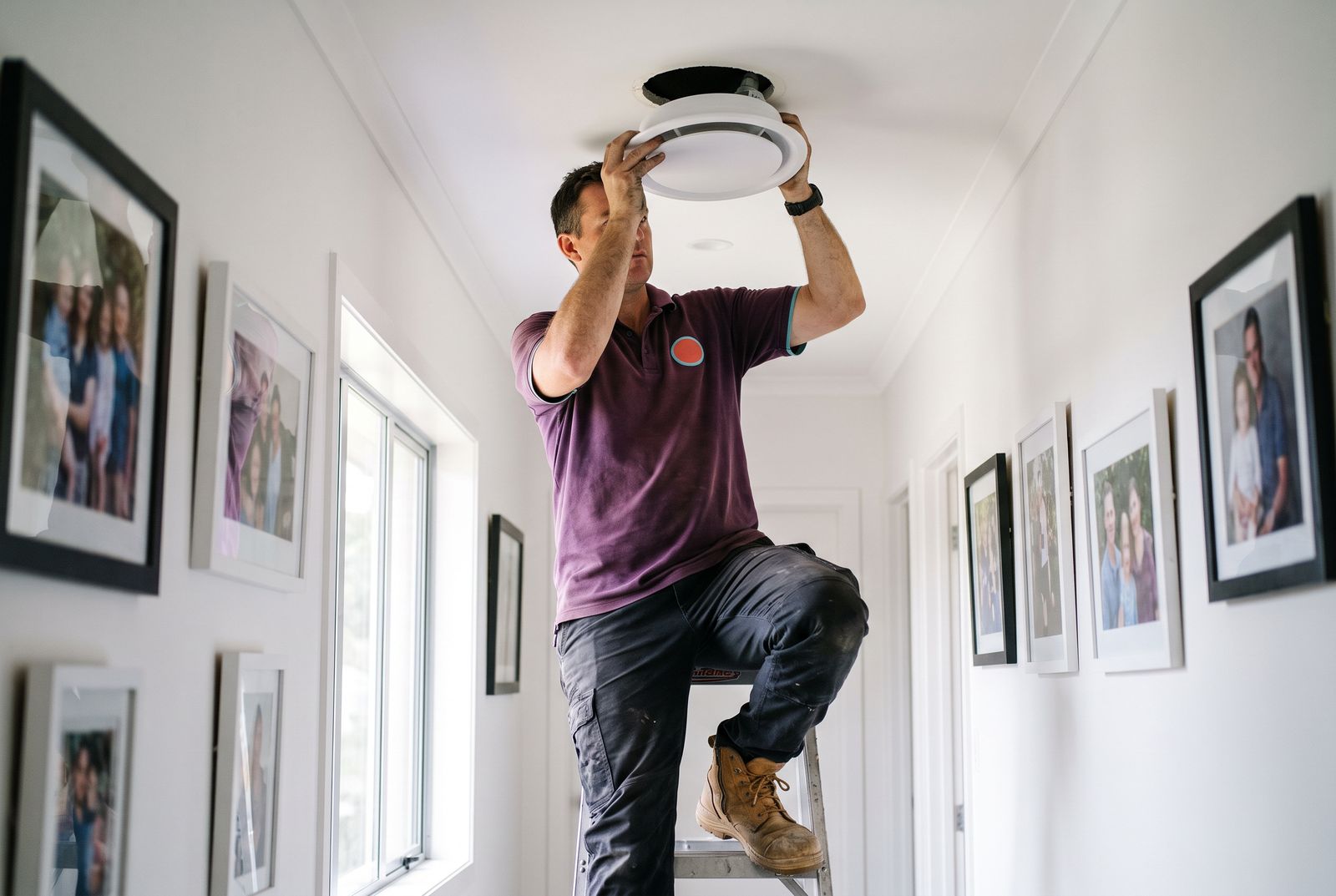 Home VentilationVentilation systems that reduce condensation, mould and stale air, especially in Auckland's humid winters.
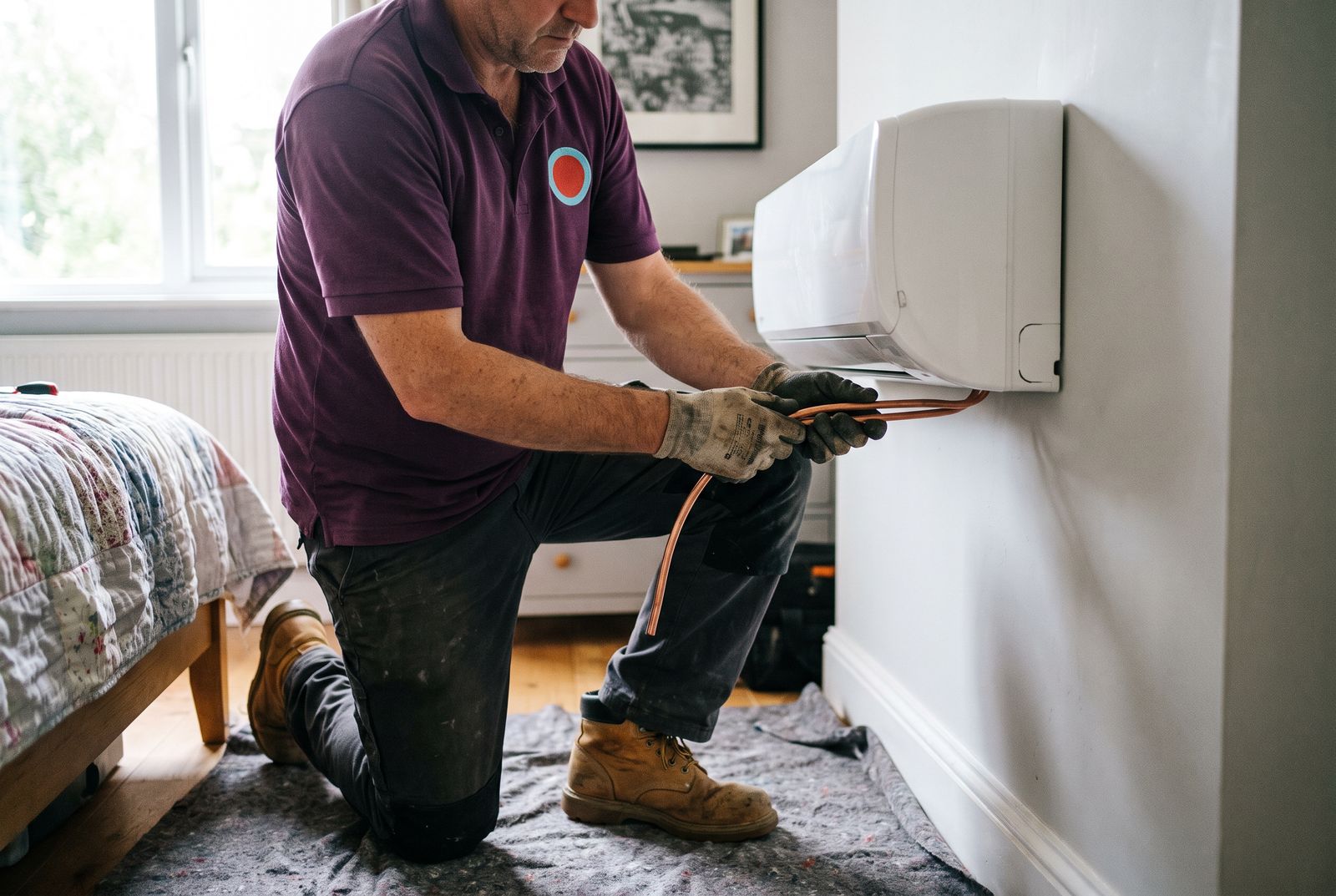 Heat Pump InstallationHeat pumps supplied and installed by our own team, sized to the room and placed where they heat and cool evenly.
Read Next

What Is Heat Recovery Ventilation and Is It Worth It in NZ?
A heat recovery ventilator is a balanced ventilation system that pulls stale, damp air out of your home and brings filte...
Read article
Healthy Homes Standards NZ: A Landlord's Checklist for 2026
The healthy homes standards are five minimum rules for New Zealand rentals: heating, insulation, ventilation, moisture i...
Read article
How to Clean Your Heat Pump Filter (and When to Call a Pro)
To clean a heat pump filter, switch the unit off, lift the front panel, slide the filters out, vacuum them with a soft b...
Read article