
A clogged filter is the easiest heat pump problem to fix and one of the most common. It makes the unit work harder, use more power and blow less warm air, and it lets dust settle on the coil behind it, where mould grows in a humid Auckland winter.
This guide covers the five-minute filter clean, how often to do it, the different routine for ducted systems, and the point where a musty smell means the problem has moved past the filter and needs proper heat pump cleaning.
How do I clean my heat pump filter?
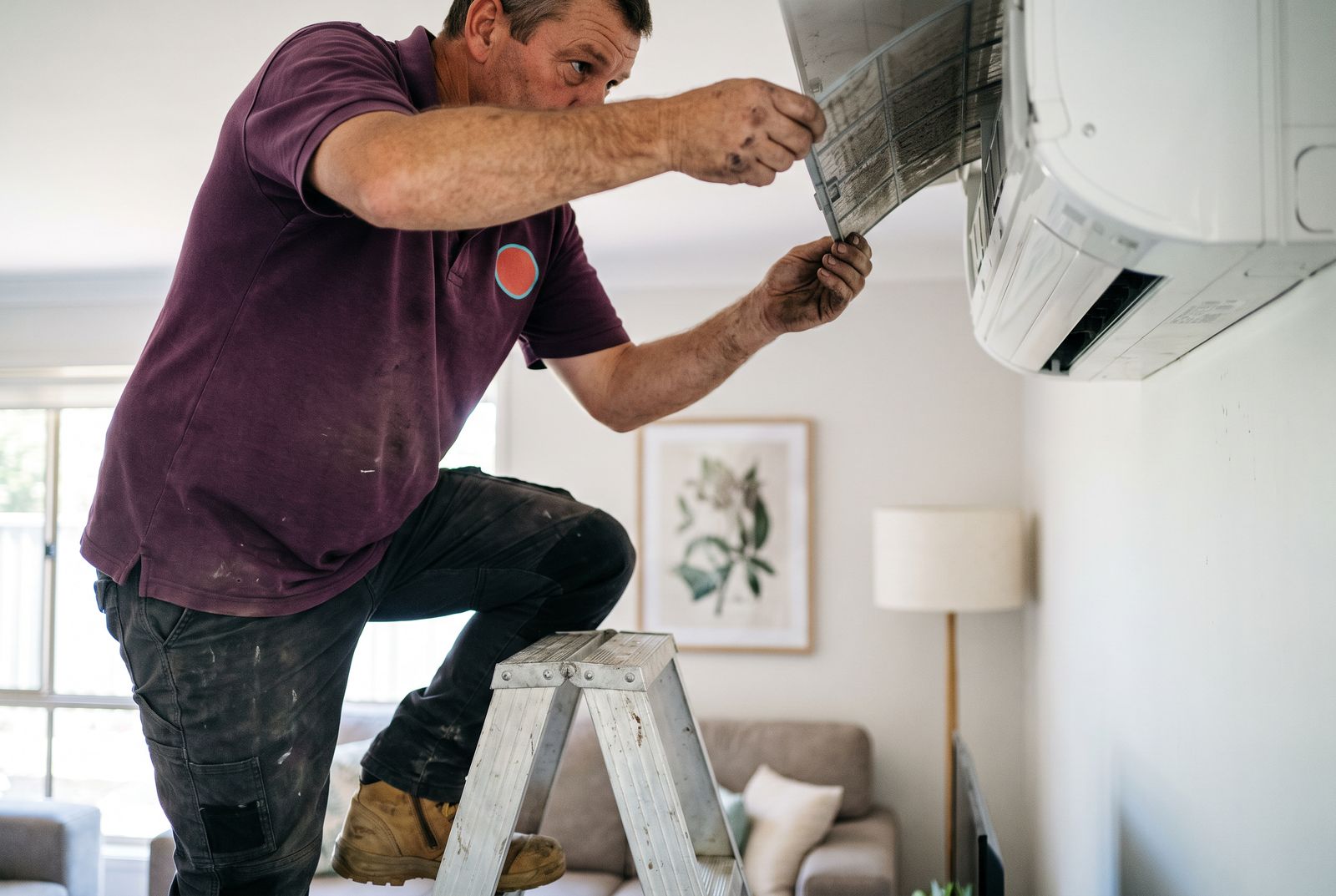
Turn the heat pump off at the remote and at the isolating switch, open the front panel, remove the filters and vacuum them with a dusting brush. Consumer NZ's method is simple and needs nothing more than a vacuum cleaner.
If the filters are greasy or very dusty and your manual allows it, many manufacturers suggest rinsing them in lukewarm water and letting them dry completely in the shade before refitting. Never refit a damp filter, and never run the unit without its filters, because dust goes straight onto the coil.
- 1. Switch the unit off and wait for the vanes to close.
- 2. Lift the front cover until it clicks open.
- 3. Slide the filters out; they are often clogged if left for a few months.
- 4. Vacuum the filters with the brush attachment, or use the upholstery tool on low power.
- 5. Vacuum the vanes and fins you can reach inside the unit.
- 6. Refit the filters, close the cover and wipe down the outside of the unit.
How often should you clean heat pump filters?
Clean the filters monthly through winter if the heat pump runs most days. Gen Less recommends a good clean as winter starts and ideally once a month through winter, and EECA advises cleaning as often as monthly in heavy use because clogged filters make the unit use more power.
Consumer NZ gives a lighter minimum for light users. A filter clean is not a service, though. It does not reach the coil, fan barrel or drain, which is why we cover the professional side in how often should a heat pump be serviced.
| How you use it | Filter clean | Source |
|---|---|---|
| Heavy winter use | About monthly through winter | Gen Less, EECA |
| Heating and cooling year round | At least 4 times a year | Consumer NZ |
| Light winter use only | At least once a year | Consumer NZ |
How do I clean a ducted heat pump filter?
A ducted system has one main filter behind the return air grille, usually in a hallway ceiling, rather than filters in each room. Open or drop the grille, slide the filter out, vacuum or rinse it as the manual says, let it dry and refit it.
Because one filter handles the whole house, it loads up faster than a wall unit filter, so check it at least as often. A ladder is usually needed, and the grille may be held by clips or turn-catches. If you cannot reach it safely, leave it for your service visit. Ducted heat pumps also have a condensate drain and often a pump in the roof, which only a technician should look at.
Musty smell that will not go away?
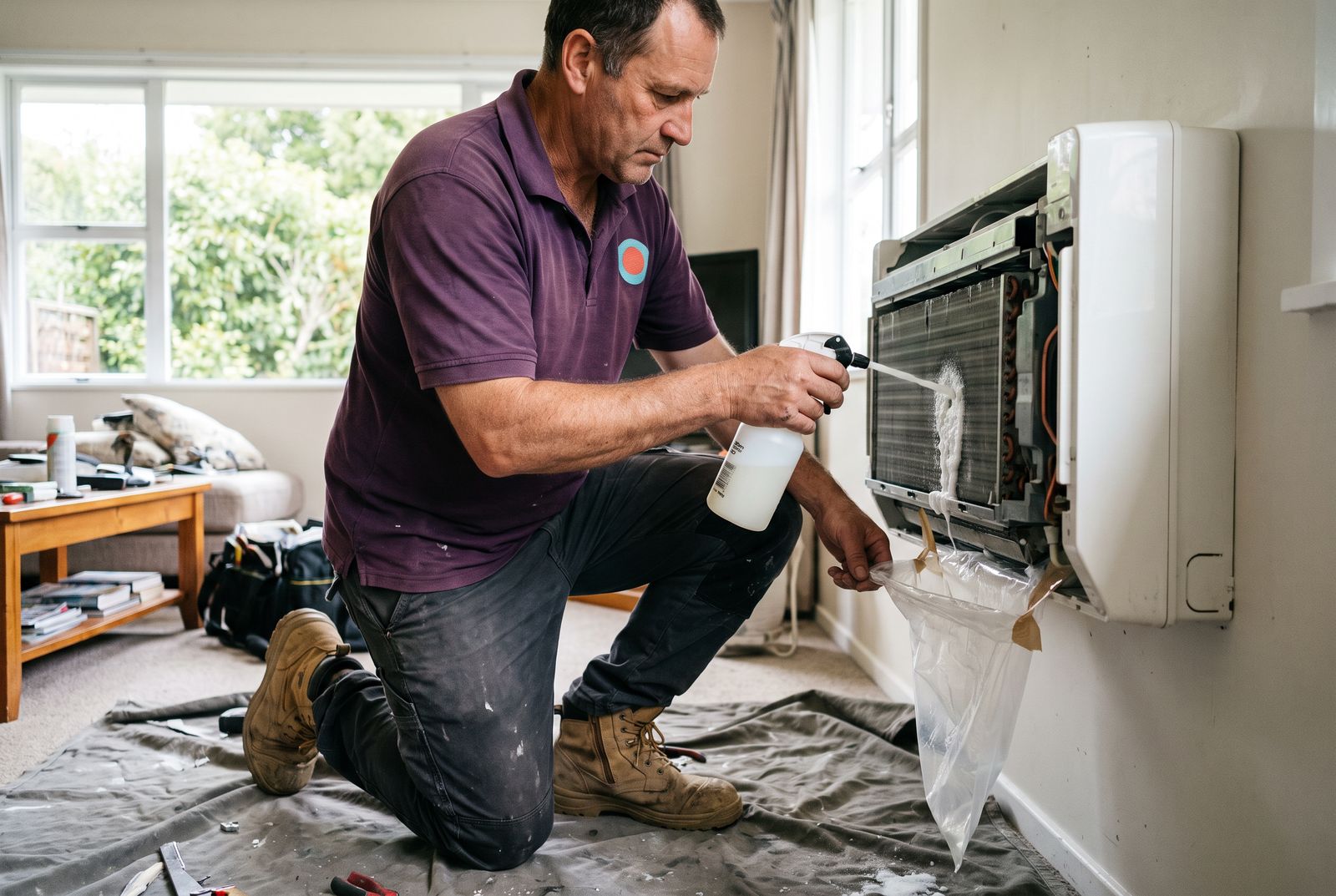
Cheeky's Heat Pumps deep cleans the coil, fan barrel and drain to get rid of the mould a filter wash cannot reach.
Why does my heat pump smell musty?
A musty or sour smell when the heat pump starts usually means mould or bacteria growing inside the unit, on the coil, fan barrel or drain tray. A clean filter will not fix it, because the problem is behind the filter.
Moisture condenses on the indoor coil whenever the unit cools or runs dry mode, and many Auckland households use dry mode to deal with damp air. Dust that slips past the filter gives mould something to feed on. Other signs include black specks blowing out of the vents, itchy eyes or a runny nose when it is on, and visible dark spots on the fan through the outlet.
If you notice the smell only for the first minute or two after start-up, it is still worth acting on, because the build-up only gets worse with each damp season. When Cheeky's Heat Pumps deep cleans a unit, we also check that the drain is clear, so water is not left sitting in the tray to start the cycle again.
Can I clean the coil myself?
You can gently vacuum the front of the fins you can reach, but a proper coil and fan clean is a job for a professional. Consumer NZ says mould on the outer panels can be wiped off, but mould on the fins or filters probably means it is growing inside the unit, and you cannot reach those parts yourself.
Consumer NZ also warns that trying to scrub it at home risks spreading mould spores through the house. Supermarket coil sprays can push grime deeper into the fins or leave residue the drain cannot clear, and taking the unit apart risks damaging the fan, sensors and wiring.
How much does a professional heat pump clean cost?
At Cheeky's Heat Pumps, a deep clean and a regular service are both quoted free, with a fixed price agreed before we start. Consumer NZ estimates that doing your own filter clean and basic checks probably saves you at least $100 compared with paying someone to do it.
The two jobs are different. A service checks performance, the filters, coil, drain and fan, and catches small faults. A deep clean strips the indoor unit back and washes the coil, fan barrel and drain tray to remove mould, and takes around one and a half to two hours for a standard high wall. If the unit smells fine and runs well, regular heat pump servicing is usually enough. If it smells musty, book the clean. You can book online and choose either.
Should I clean the outdoor unit too?
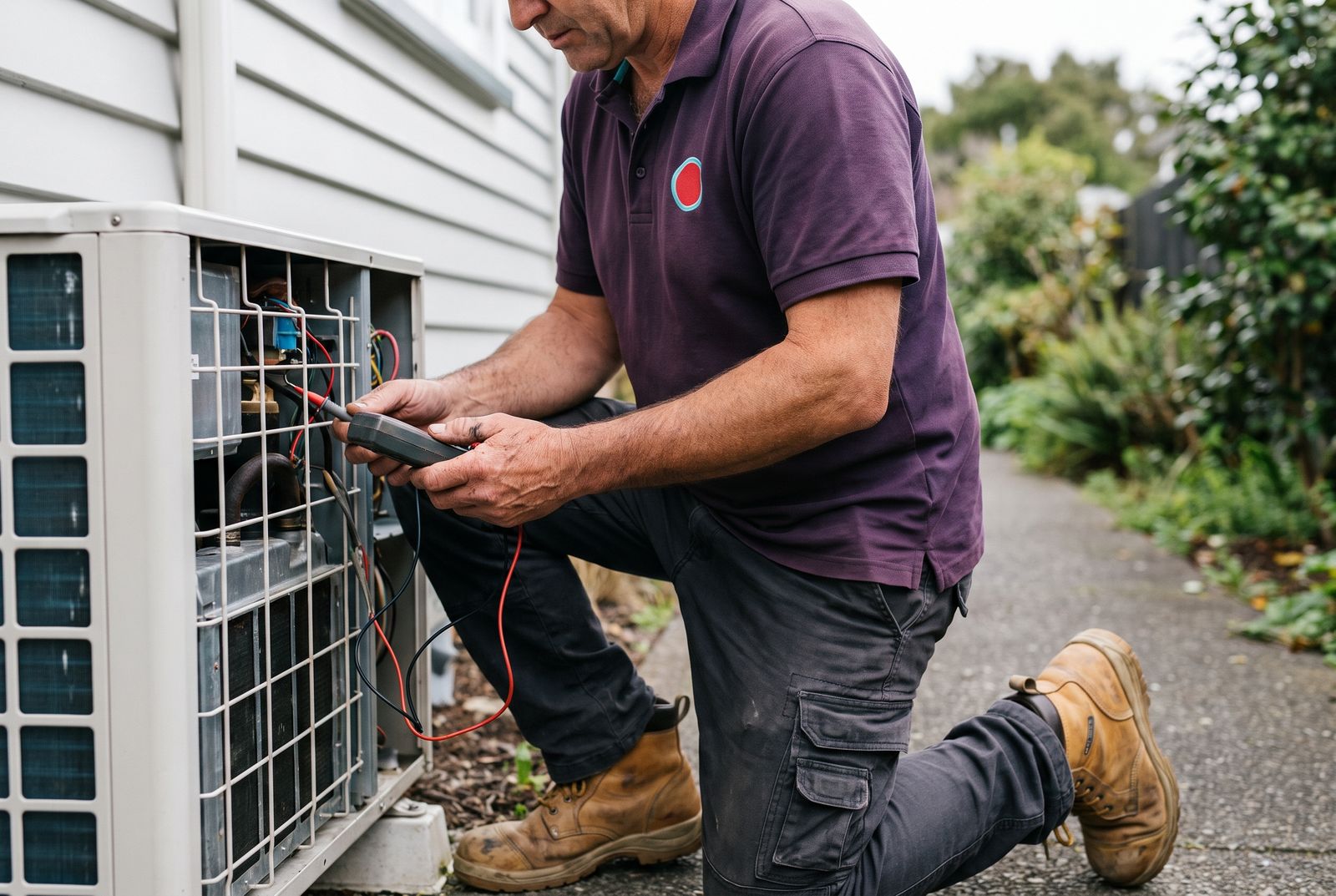
Keep the outdoor unit clear rather than cleaning it hard. Consumer NZ suggests trimming plants back, making sure nothing leans against it, checking for insect nests and dealing with corrosion early.
Location changes the routine. Milford Beach and Lake Pupuke put many Milford homes within about 500 metres of the coast, the zone BRANZ maps as the highest sea spray risk, and salt builds up most on sheltered surfaces that rain does not wash, so a gentle rinse of the outdoor coil at each service helps. On Kumeū lifestyle blocks, dust and debris from paddocks and gardens settle on the coil instead. Water dripping beside the outdoor unit is normal, but Consumer NZ says water inside the house means there is a problem.
Frequently Asked Questions
Can I wash heat pump filters in the dishwasher?
No. Dishwasher heat and detergent can warp or damage filter mesh and frames. Vacuum them, or rinse them in lukewarm water if your manual allows, and let them dry fully in the shade before you put them back. Check the manual for your model first.
What happens if I never clean my heat pump filter?
Airflow drops, the unit works harder and uses more power, and it may struggle to heat the room on cold nights. More dust reaches the coil and fan, which encourages mould and musty smells. Badly blocked filters can also contribute to icing and water leaks.
Do heat pump filters need replacing?
The main dust filters are usually washable and last for years if handled gently. Some models also have extra fine or deodorising filters that the manufacturer recommends replacing on a schedule. If a main filter is torn or the frame is broken, replace it with the correct part.
Is it safe to use bleach on heat pump filters?
It is not recommended. Bleach can damage filter materials and the residue can be blown into the room when the unit starts. If you see mould on the filters, Consumer NZ says it is probably growing inside the unit too, so a professional clean is the better fix.
Why is my heat pump still smelly after cleaning the filter?
Because the smell usually comes from mould on the coil, in the fan barrel or in the drain tray, behind the filter. A filter clean cannot reach those parts. A professional deep clean washes them out, and regular filter cleaning afterwards slows the build-up.
Our Services
 Heat Pump CleaningA deep clean of the coil, fan and drain that removes the mould and grime a filter wash cannot reach.
 Heat Pump ServicingA proper service keeps your heat pump efficient, quiet and healthy, and catches small faults before they become expensive.
Read Next
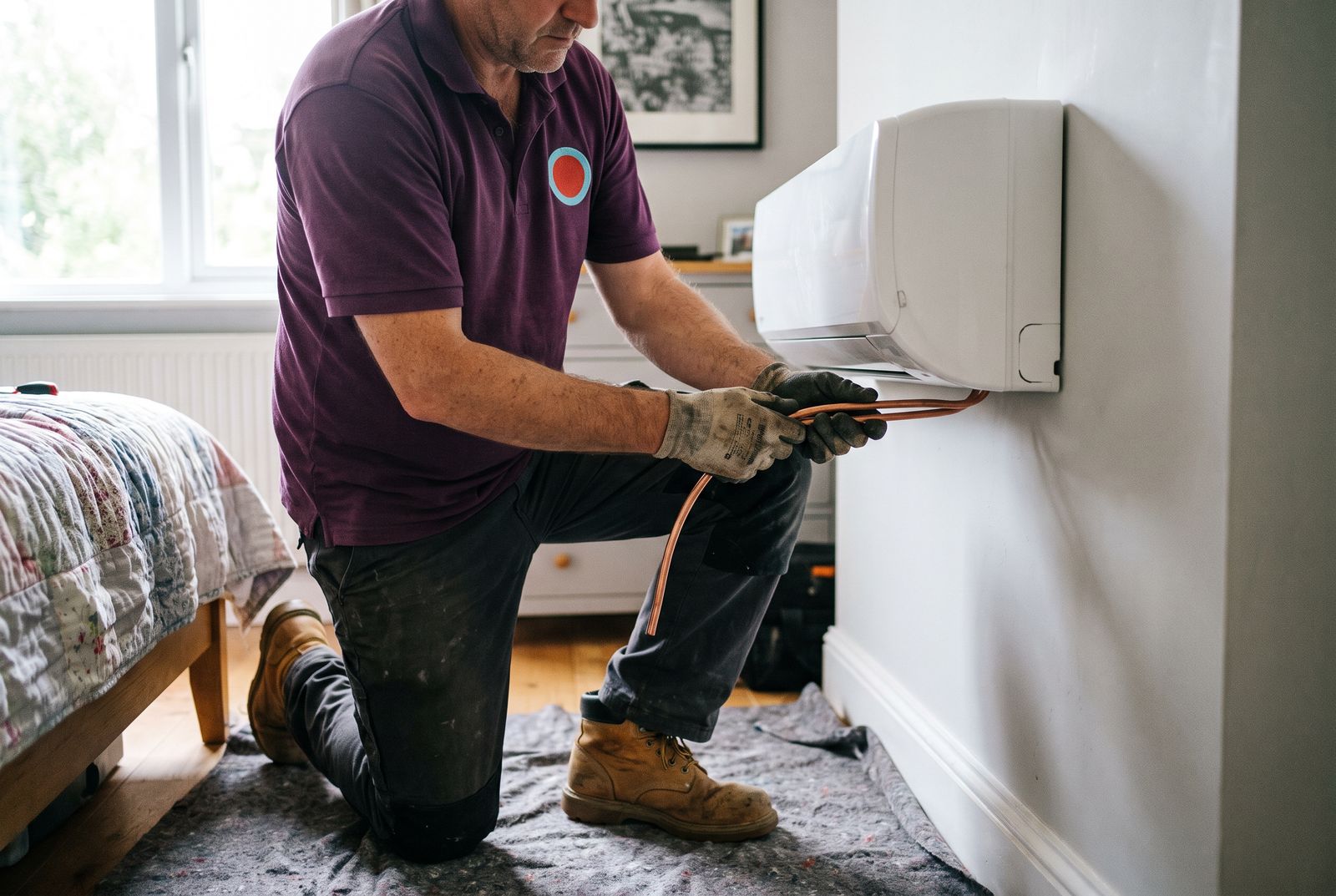
Best Heat Pump in NZ: How to Choose the Right One
The best heat pump for a NZ home is the one sized correctly for the room, that still delivers its rated heat when it is ...
Read article
How to Stop Condensation on Windows: An Auckland Guide
To stop condensation on windows, pull three levers together: put less moisture into the air, keep rooms warmer, and move...
Read article
Best Heat Pump Settings for Winter (and What Dry Mode Does)
For winter, set your heat pump to Heat mode, not Auto, at 18 to 21 degrees, with the fan on Auto rather than Low or Quie...
Read article