
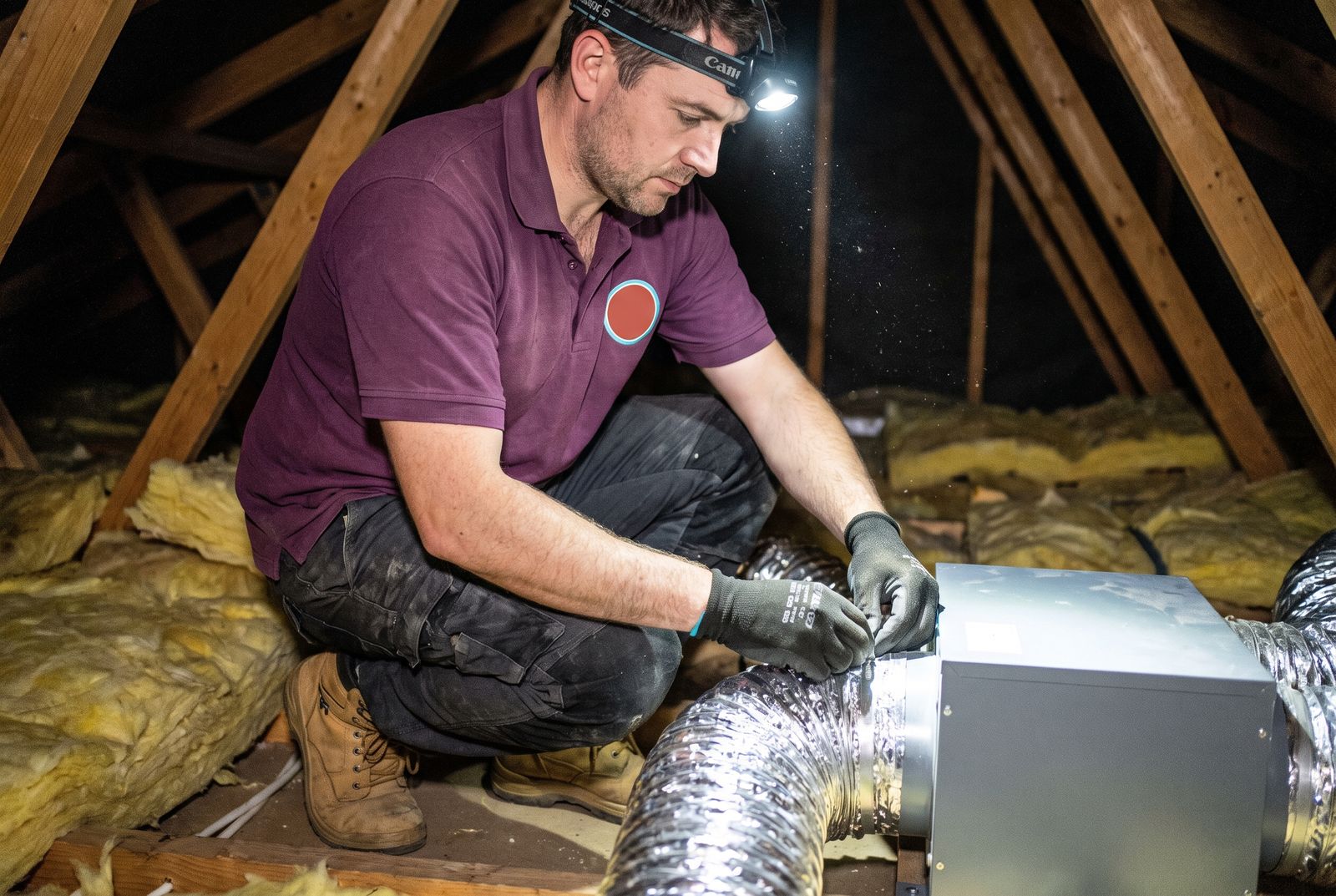
Wet windows every morning, black mould in the corners and a musty smell in the wardrobes are signs that moisture is being made faster than it leaves. Cooking alone adds around 3 litres of moisture a day in the average Kiwi home, and every shower adds about 1.5 litres more, according to Smarter Homes figures quoted by ANZ.
A ventilation system is one way to move that moisture out, but it is not the only one, and the right system for a Ponsonby villa is not the right system for a new Silverdale townhouse. This guide covers price bands, which type suits which home, upkeep, and what you can and cannot do yourself.
How much does a home ventilation system cost in NZ?
Costs range from around $1,000 for a single extractor fan up to $15,000 to $20,000 for a whole-house system with heat recovery in an average home. Where your project lands depends on the system type, the number of outlets, roof access and how much ducting is needed.
The table below sets out third-party price figures by system type. They are published estimates, not our prices, and real quotes vary with the house.
| Option | Published cost guide | Source | Best suited to |
|---|---|---|---|
| Ducted extractor fan (kitchen or bathroom) | Around $1,000 installed on average | NZ Green Building Council via ANZ | Every home, at the moisture source |
| Positive pressure system | Mechanical systems from upwards of $2,000 installed | Consumer NZ | Older, draughtier homes with a dry roof space |
| Balanced system with heat recovery | Around $15,000 to $20,000 installed for an average home | NZ Green Building Council via ANZ | Modern, well-sealed homes and new builds |
| Ground vapour barrier under a suspended floor | From around $7 per square metre installed | NZ Green Building Council via ANZ | Homes with a damp subfloor |
Are home ventilation systems worth it?
A ventilation system is worth it when you have dealt with the basics and still have condensation and mould, or when your home is too airtight to breathe on its own. It is not worth it as a substitute for extractor fans, heating and a dry subfloor.
Start with the cheaper fixes: ducted extractor fans in the kitchen and bathroom that vent outside, a vapour barrier under a damp suspended floor, and drying clothes outside or in a vented dryer. If windows are still wet every morning after that, whole-house ventilation is the next step.
The alternative many people try first is a dehumidifier. Consumer NZ notes that a dehumidifier is cheaper to buy but expensive to run, at up to $2.50 a day, and it has to run constantly to keep up. Over a few winters, that running cost goes a long way towards a fixed system.
What is the best ventilation system for a NZ home?
The best ventilation system is the one matched to how airtight your home is. Consumer NZ says positive pressure systems suit older homes with timber joinery better than modern sealed homes, and that balanced systems are best if you can afford one and your home is well sealed.
Here is how that plays out across Auckland's housing:
- Villas and bungalows, such as the timber villas in Ponsonby and Grey Lynn: usually leaky enough for positive pressure to work, as long as the roof space is dry. Extraction in the kitchen and bathroom matters even more in these homes.
- 1980s to 2000s homes: often in between. An assessment of how the house is sealed, the roof space and where moisture collects decides which way to go.
- New, airtight builds, such as the Millwater homes in Silverdale: well-sealed homes trap moisture from cooking, showers and washing, so a balanced system with heat recovery is usually the better long-term choice.
- Bush-edge and heavily shaded homes, such as in Titirangi: Consumer NZ notes positive pressure is less ideal under heavily shaded roofs, so a balanced system or targeted extraction may suit better.
Wet windows every morning?
Cheeky's Heat Pumps will look at where the moisture comes from and recommend the right ventilation for your home, with a clear written quote.
Positive pressure vs balanced ventilation: what is the difference?
A positive pressure system pushes filtered air into the house, usually from the roof space, and relies on stale air leaking out through gaps. A balanced system uses two fans to supply fresh outside air and extract stale air at the same time, and most pass the two airflows through a heat exchanger so the outgoing air warms the incoming air.
Each has trade-offs. Consumer NZ points out that in winter the air in the roof space is usually colder than inside the house, so a positive pressure system can lower indoor temperatures and may need an inline heater. Positive pressure systems cost less to buy, and Consumer notes solar-powered versions have the lowest running costs.
Balanced systems cost more because there are two fans, a heat exchanger and two sets of ducts, but they work in airtight homes where a positive pressure system would have nowhere for the air to go. Our guide to heat recovery ventilation explains how they recover heat and what affects their performance.
How often should a ventilation system be serviced?
Check and clean or replace the filters on the schedule in your system's manual, and have the whole system checked periodically by an installer. Blocked filters reduce airflow, and a system that moves less air removes less moisture.
Filters vary. Consumer NZ explains that F-grade filters capture smaller particles than G-grade filters, with a higher number meaning better filtering. Carbon filters help with odours and HEPA filters are marketed for allergens. Consumer's advice is to start with a standard filter and only upgrade if you need to, because finer filters cost more and need changing more often.
A periodic service should also check the fans, the controller settings, duct connections in the roof space and, on balanced systems, the heat exchanger core.
Can I install a ventilation system myself?
You can buy some ventilation kits off the shelf, but any fixed wiring needs a licensed electrician. WorkSafe says homeowners can do only a limited amount of electrical work in their own home, and that electricians must issue a Certificate of Compliance for any fixed wiring work.
The bigger risk is design. Consumer NZ recommends getting quotes from several installers who know your local climate and designing the system for your specific house. Poorly placed outlets, ducts left uninsulated in a cold roof space, or a positive pressure system in a house that is too airtight can leave you paying for a system that does not fix the problem.
Ventilation for rentals and getting a quote
Landlords have specific rules to meet. Tenancy Services says each habitable room needs openable windows or doors totalling at least 5% of its floor area, and that extractor fans installed in kitchens and bathrooms from 1 July 2019 must meet minimum sizes or flow rates. Certain continuous mechanical ventilation systems can be used instead of extractor fans. Cheeky's Heat Pumps also completes healthy homes heating assessments, so heating and ventilation can be checked together.
If you are not sure whether you need ventilation, heating or both, our guide on heat pump or ventilation explains how the two work together. Cheeky's Heat Pumps can look at the house, the roof space and where moisture collects, then recommend the simplest fix that works. Book a free assessment online to get started.
Frequently Asked Questions
Does a ventilation system make the house colder?
It can, if it brings in cold air without heat recovery. Consumer NZ notes the roof space is usually colder than the house in winter, so positive pressure systems can lower indoor temperatures unless they have an inline heater. Balanced systems with heat recovery warm the incoming air using the outgoing air.
Will a ventilation system stop mould?
It reduces the moisture that mould needs, but it works best alongside extractor fans, a dry subfloor and enough heating. Existing mould still needs cleaning off, and a home that is very cold will still get condensation on its coldest surfaces.
Do ventilation systems cost much to run?
Running costs depend on the fan size, how many hours it runs and any heater fitted. Consumer NZ notes solar-powered positive pressure systems have the lowest running costs. Ask for the fan wattage when comparing quotes so you can work out the cost on your power price.
Can a ventilation system cool the house in summer?
Not much. Ventilation moves air rather than chilling it, and Consumer NZ describes summer cooling options for ventilation systems as available but expensive. For real cooling on hot days, a heat pump is more effective.
Is a heat pump enough to stop condensation?
Heating helps because warm air keeps more moisture suspended, but it does not remove the moisture from the house. Gen Less recommends heating to 18 degrees or above to help fight damp, and ventilation or extraction then moves the moisture outside.
Our Services
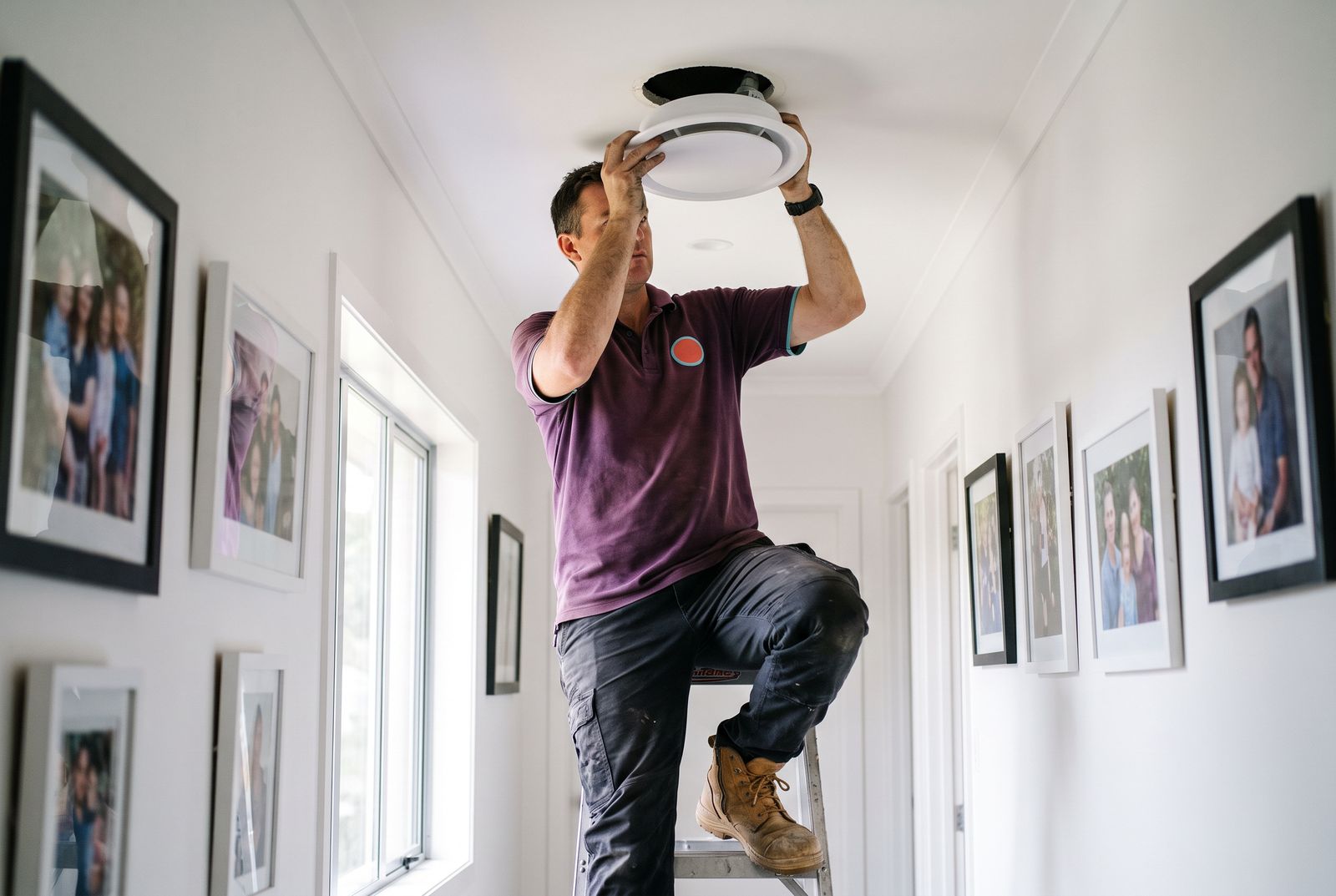 Home VentilationVentilation systems that reduce condensation, mould and stale air, especially in Auckland's humid winters.
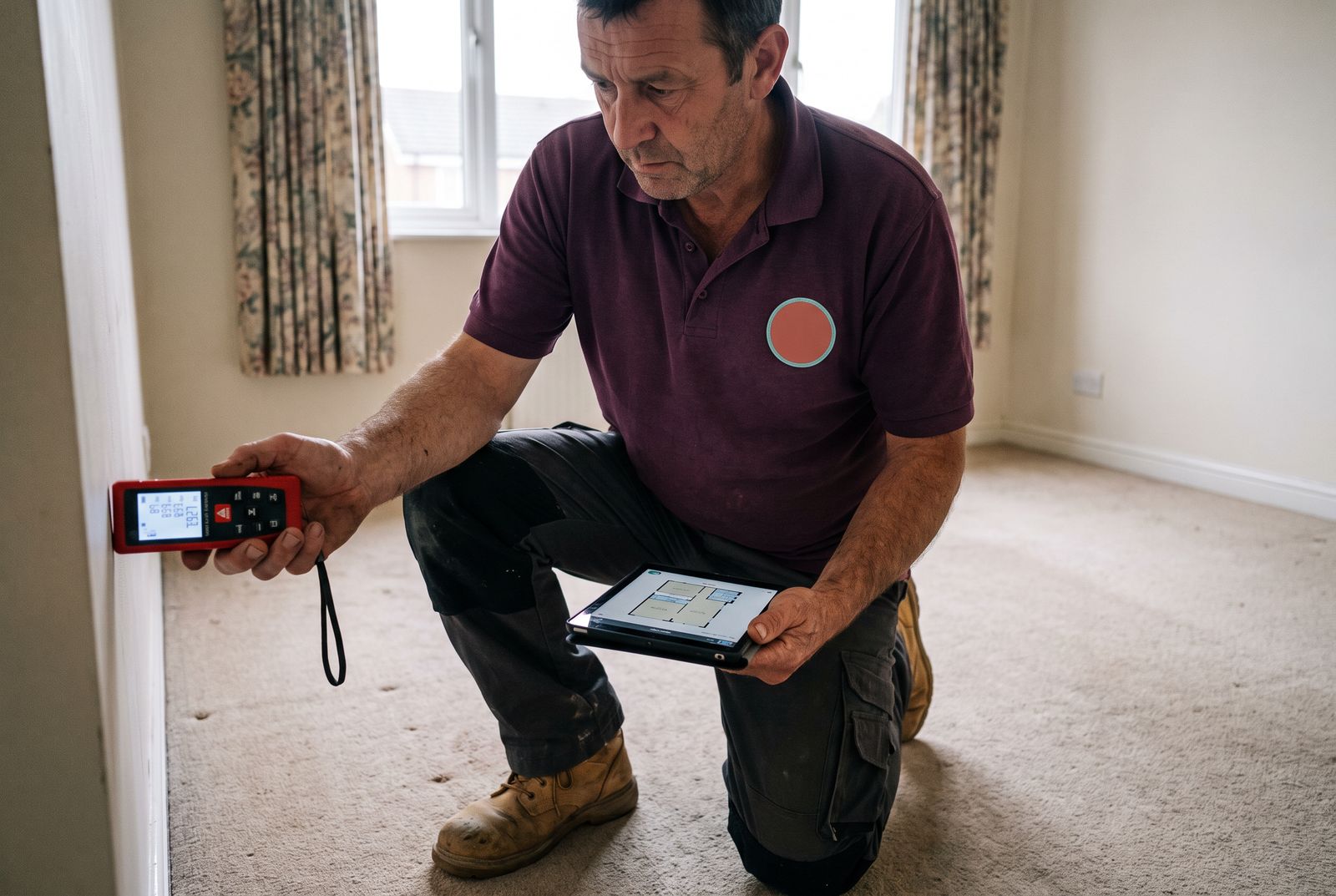 Healthy Homes AssessmentLiving room heating calculations and compliant heat pump installs for rentals under the Healthy Homes Standards.
Read Next
What Is Heat Recovery Ventilation and Is It Worth It in NZ?
A heat recovery ventilator is a balanced ventilation system that pulls stale, damp air out of your home and brings filte...
Read article
Healthy Homes Standards NZ: A Landlord's Checklist for 2026
The healthy homes standards are five minimum rules for New Zealand rentals: heating, insulation, ventilation, moisture i...
Read article
Ducted Heat Pump Cost in NZ: Price, Running Costs and Zones
A ducted heat pump typically costs around $8,000 to $15,000 installed according to Rinnai's NZ guide, while Sustainabili...
Read article