
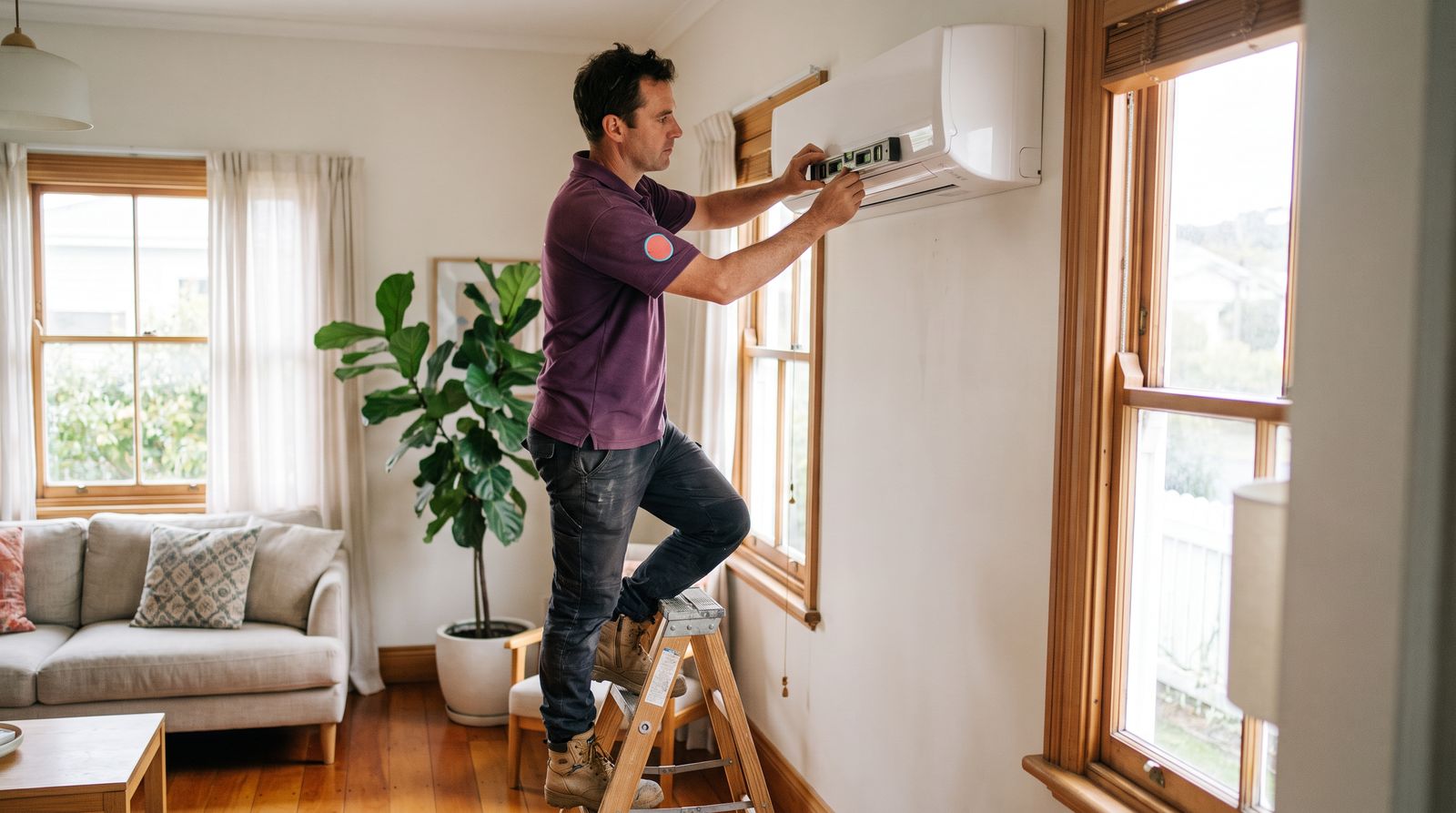
Ask for quotes and you will see the words used interchangeably. One company quotes a heat pump, another quotes air conditioning, and the model numbers look suspiciously similar. That is because they often are the same product, named for the market it is sold in.
This guide clears up the naming, then covers the questions that actually affect your decision: summer cooling, running costs, how a heat pump compares with an oil column heater, how long each lasts and which suits a bedroom or home office.
Is a heat pump the same as an air conditioner?
Usually, yes. A domestic heat pump in New Zealand is a reverse-cycle air conditioner: the same refrigeration system as a cooling unit, with a reversing valve that lets it run in either direction.
EECA's installer guide describes how it works. In heating mode, the outdoor unit absorbs heat from the outside air and the indoor unit releases it into the room. In cooling mode, the roles swap: the indoor unit absorbs heat from the room and the outdoor unit releases it outside. The same valve also reverses the system briefly to defrost the outdoor coil in cold weather.
The term to watch for is cooling only. Some commercial systems and many portable units only cool. If a quote says air conditioner and you want winter heating, check that it is a reverse-cycle model.
| Reverse-cycle heat pump | Cooling-only air conditioner | |
|---|---|---|
| What NZ calls it | Heat pump, or air conditioning | Air conditioner |
| Heats in winter | Yes | No |
| Cools in summer | Yes | Yes |
| Dry mode for humidity | Usually | Often |
| Typical use | Homes | Some commercial sites, server rooms, portable units |
Do heat pumps work for cooling in summer?
Yes. A reverse-cycle heat pump cools as well as a dedicated air conditioner of the same capacity, because it is the same refrigeration system. Consumer NZ notes that a reverse-cycle heat pump is the only home heating system that can both heat and cool a room.
In Auckland, cooling is only half the summer story. Humidity is high for much of the year, and cooling and dry mode both pull moisture out of the air as it passes over the cold coil. Where the indoor unit goes matters too: EECA's guide explains that high wall units blow warm or cool air out to mix with the room before it drops to where people sit, which is why they are the usual choice where summer comfort matters. For a whole house, a ducted system or air conditioning installation with ceiling cassettes keeps the units out of sight.
Which is cheaper to run, a heat pump or air conditioning?
They cost the same to run, because they are the same machine. What changes the cost is the efficiency of the specific model and how hard it works. For cooling, Consumer NZ says an EER of 3 or more indicates energy-efficient cooling, and that at full capacity, cooling costs on average about 7% less than heating.
The useful comparison is between models of the same capacity. The Zoned Energy Rating Label shows separate heating and cooling stars, so if summer comfort is a priority, compare the cooling stars rather than only the headline heating figure. Our heat pump running cost guide works through the numbers per hour.
Heat pump or aircon? Ask us
Cheeky's Heat Pumps will look at your rooms and recommend the right reverse-cycle system for winter warmth and summer cooling.
Heat pump vs oil column heater: which is better?
For a room you heat regularly, a heat pump is better: it costs much less per hour and it can also cool. An oil column heater is cheap to buy, silent and portable, which suits occasional use in a spare room.
The difference is efficiency. Consumer NZ notes that plug-in heaters all produce slightly less than 1 kW of heat from 1 kW of electricity, while a heat pump with a COP of 3 is three times more efficient. Over a winter of evenings in the lounge, that gap pays back a large part of the heat pump's installed cost.
An oil column heater still has a place. It is useful as backup heat, in a room you use once a week, or in a rental where a fixed install is not your call. Just treat it as occasional heat rather than the main way you warm the house.
Older homes show the difference most. Many Grey Lynn villas sit under mature street trees that shade rooms through winter, so the heating load is higher and a plug-in heater barely keeps up in a high-ceilinged lounge.
Do heat pumps last longer than air conditioners?
No. A reverse-cycle heat pump and a cooling-only unit share the same main parts, so lifespan depends far more on installation quality, location and maintenance than on the name. A unit that runs all year, heating in winter and cooling in summer, does more work than one that only cools, so regular servicing matters more.
Location is a big factor in Auckland. In Takapuna, much of the suburb sits within about 500 metres of the coast, which BRANZ maps as the highest sea spray zone. Salt settles on outdoor unit fins and brackets, so sheltered placement and rinsing the coil at each service help the unit last. EECA's installer guide also tells installers to consider suitability for sea spray when choosing a model.
Maintenance is the part you control. Clean the filters regularly, keep plants and clutter clear of the outdoor unit so it can breathe, and book a professional service if output drops or the unit starts to smell musty. A unit that is looked after, and was installed with tidy pipework, a proper vacuum test and a sound bracket, will generally outlast a neglected one regardless of what the brochure called it.
Which do I need for a home office or bedroom?
For a home office or bedroom in a house, a small reverse-cycle high wall heat pump is usually the right choice: it keeps the room warm in winter and cool on summer afternoons, and the compressor sits outside. Look for a low quiet-mode noise figure for a bedroom.
A cooling-only or portable unit makes sense only where a fixed install is not possible, such as some rentals and apartments. Our guide to the best portable air conditioner in NZ explains the trade-offs honestly. For offices, shops and clinics, commercial air conditioning is designed around longer running hours and higher heat loads from people and equipment. Around Manukau, for example, commercial units often run long hours in cooling mode over summer.
Getting the right system for your home
The name on the quote matters less than three things: whether the unit is reverse-cycle, whether it is sized for the room, and whether the indoor unit is placed to heat and cool evenly. Cheeky's Heat Pumps installs reverse-cycle systems for homes and air conditioning for businesses, and will tell you plainly which one your space needs.
If you would like a recommendation for your rooms, Cheeky's Heat Pumps offers a free in-home assessment covering size, placement and running cost, followed by a written quote for heat pump installation.
Frequently Asked Questions
Why do Americans call heat pumps air conditioners?
In hot climates the unit's main job is cooling, so it is sold as an air conditioner, and a heat pump there often means a system that also provides winter heating. In New Zealand, heating is the main job, so the same reverse-cycle unit is marketed as a heat pump.
What is a ducted air conditioner?
It is a ducted heat pump: one hidden indoor unit, usually in the ceiling space or under the floor, sending air through ducts to outlets in several rooms. Check that a ducted quote is reverse-cycle if you want it to heat as well as cool.
Is inverter the same as heat pump?
No. Inverter describes a variable-speed compressor that slows down once the room is at temperature, instead of switching fully on and off. EECA recommends inverter units in most cases for their efficiency.
Can I use my heat pump as a dehumidifier?
Yes, most heat pumps have a dry mode, shown as a water droplet, which removes moisture with less cooling. Consumer NZ notes it only dries the room the unit is in, and a dedicated dehumidifier may do a better job for serious damp.
Is air conditioning bad for you?
Not when it is clean. A unit with dirty filters or mould in the fan can blow dust and spores into the room, which is why filter cleaning and periodic professional cleaning matter, especially in bedrooms and for anyone with asthma or allergies.
Our Services
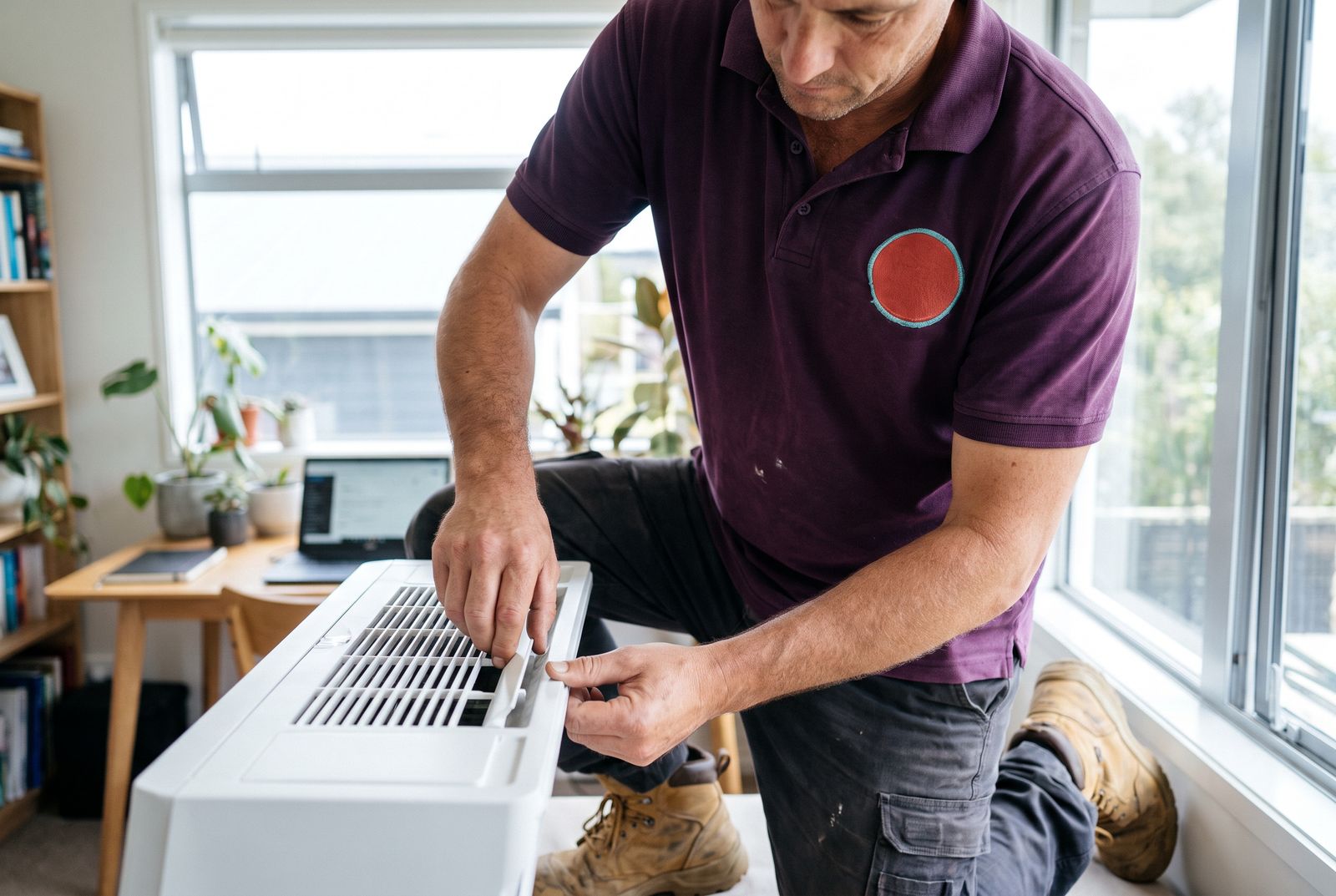 Air ConditioningAir conditioning for Auckland homes and home offices, including cassette and ceiling-concealed units.
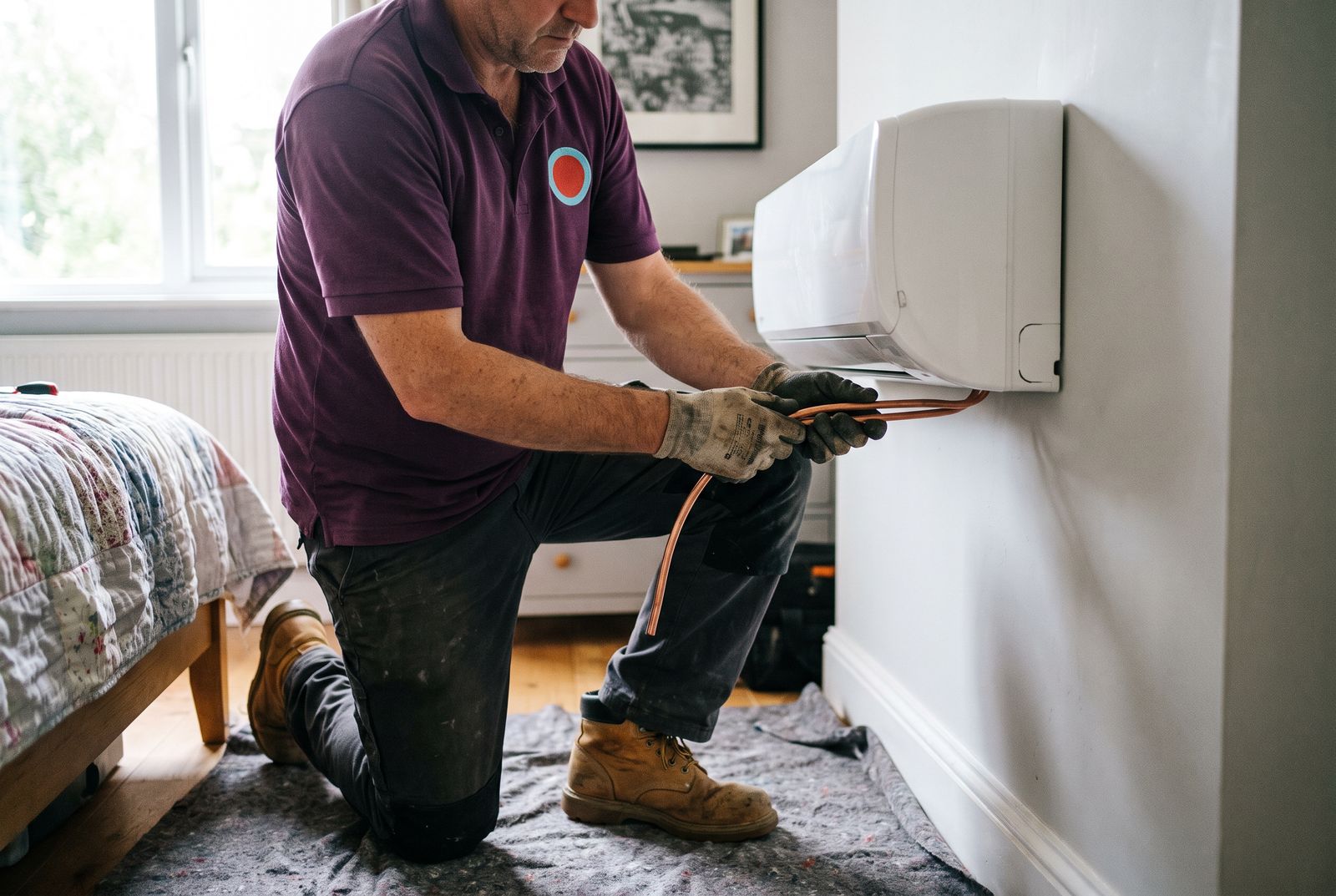 Heat Pump InstallationHeat pumps supplied and installed by our own team, sized to the room and placed where they heat and cool evenly.
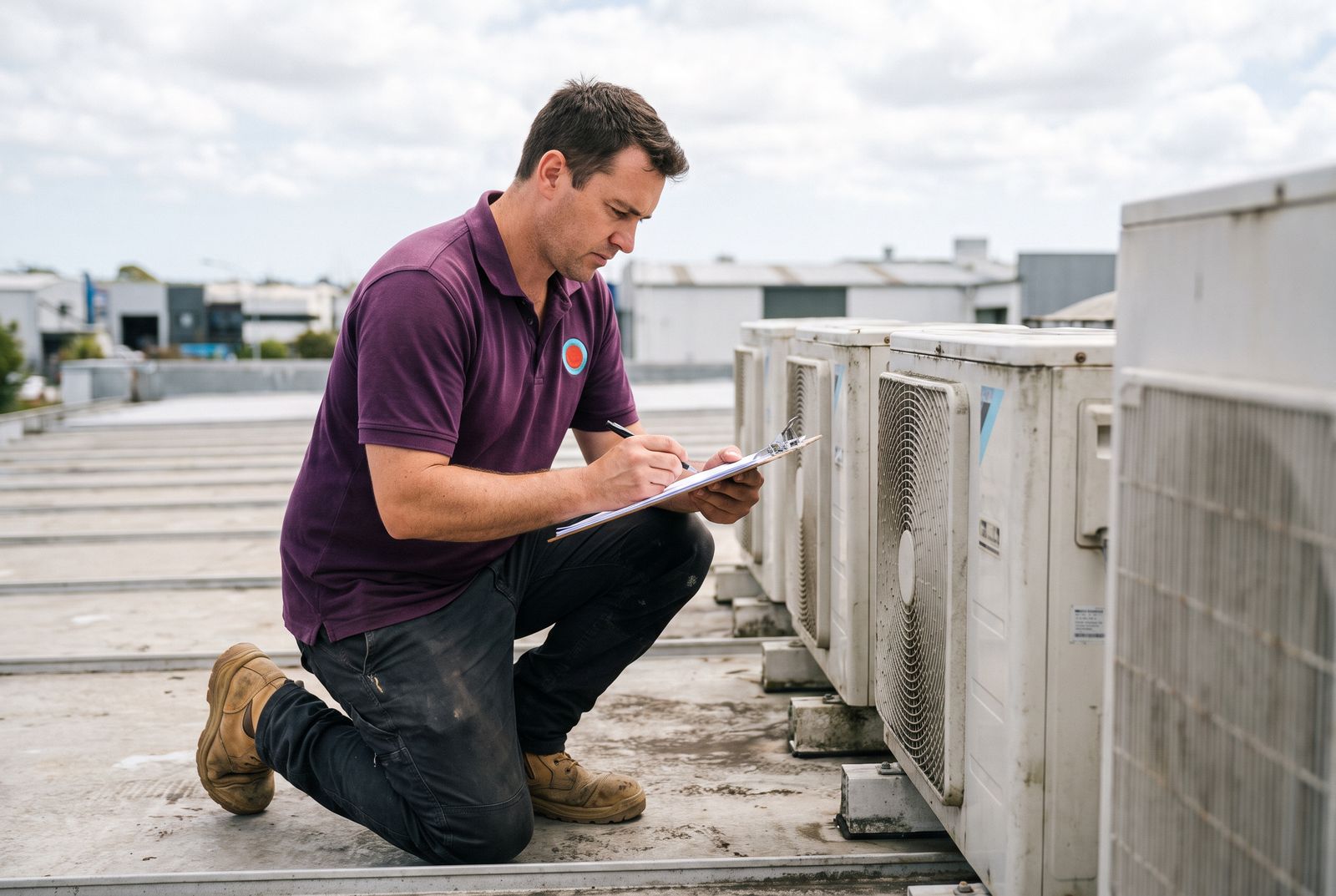 Commercial Air ConditioningAir conditioning design, installation and maintenance for offices, shops, clinics and light industrial sites.
Read Next
Best Portable Air Conditioner NZ: Do They Work and Are They Worth It?
Portable air conditioners do work, but only for one small room and only up to a point. The best choice for most NZ buyer...
Read article
How Much Does a Heat Pump Cost to Run in NZ?
A typical NZ heat pump costs roughly 15 to 75 cents an hour to run at full output, depending on its size and efficiency,...
Read article
Best Heat Pump in NZ: How to Choose the Right One
The best heat pump for a NZ home is the one sized correctly for the room, that still delivers its rated heat when it is ...
Read article