
Heat pumps have a reputation for being cheap to run, and compared with plug-in heaters that reputation is earned. But the bill still surprises people, usually because the unit is running in an empty house, fighting a draughty room, or set several degrees warmer than it needs to be.
This guide works through the real numbers using Consumer NZ's method and current average power prices, then covers the questions people actually ask: whether to leave it on all day, how it compares with other heaters, and what makes the biggest difference to the bill.
How much does a heat pump cost to run per hour in NZ?
At full output, a small bedroom heat pump costs around 15 to 20 cents an hour and a large living room unit around 50 to 75 cents an hour, at an average power price of 29 cents per kWh. Once the room reaches temperature, an inverter unit slows down and the hourly cost drops well below those figures.
Consumer NZ's method is to divide the unit's capacity by its efficiency rating to find the electricity it draws, then multiply by your unit price. For heating the efficiency figure is the COP, and Consumer says a good heat pump has a COP of 3 or more, meaning it delivers at least 3 kW of heat for every 1 kW of electricity. For cooling the figure is the EER. Consumer uses 29 cents per kWh as an average price if you do not know yours, and notes that cooling at full capacity costs on average about 7% less than heating.
The table below uses illustrative COP figures to show how the maths works. Use the capacity and COP from your own unit's spec sheet or Energy Rating Label, and the unit price on your power bill, for a real number.
| Heat pump heating capacity | Illustrative COP | Electricity drawn at full output | Cost per hour at 29c/kWh |
|---|---|---|---|
| 2.5 kW (bedroom) | 4.0 | About 0.6 kW | About 18c |
| 5 kW (lounge) | 3.5 | About 1.4 kW | About 41c |
| 8 kW (large living area) | 3.2 | About 2.5 kW | About 73c |
Is it cheaper to leave a heat pump on all day?
No. If nobody is home, it is cheaper to turn the heat pump off and use the timer to bring it on shortly before you return. EECA's good practice guide for heat pumps says plainly: only heat when you need it, and do not leave your heat pump on all day if you are not there.
Gen Less, the government's energy efficiency programme, lists running a heat pump 24/7 as a myth rather than a money saver. The idea comes from a half-truth: a heat pump does work most efficiently once it is up to temperature and ticking over. But heating an empty house for eight hours still uses more power than warming it up for an hour before you get home.
The exception is a home that is occupied all day, such as a household with a baby, someone working from home or an older person who needs steady warmth. In that case, a steady, moderate setting usually beats letting the house go cold and blasting it back up.
Are heat pumps expensive to run compared with other heaters?
No, heat pumps are usually the cheapest form of electric heating to run. Consumer NZ notes that plug-in heaters all produce slightly less than 1 kW of heat from 1 kW of electricity, while a heat pump with a COP of 3 is three times more efficient.
That difference adds up quickly. A 2 kW oil column or fan heater on full uses 2 kWh every hour, which is about 58 cents at 29 cents per kWh, for 2 kW of heat. A heat pump delivering the same heat at a COP of 3 uses about 0.7 kWh, or roughly 19 cents. The heat pump costs more to buy and install, which is why it pays off fastest in the rooms you heat most.
| Heater (2 kW of heat delivered) | Electricity used per hour | Cost per hour at 29c/kWh |
|---|---|---|
| Plug-in oil column or fan heater | About 2 kWh | About 58c |
| Heat pump with COP of 3 | About 0.7 kWh | About 19c |
| Heat pump with COP of 4 | About 0.5 kWh | About 15c |
Want the running cost for your rooms?
Cheeky's Heat Pumps measures each room and shows you what a right-sized unit should cost to run, with no obligation.
How much electricity does a heat pump use?
A heat pump uses its rated capacity divided by its COP when running flat out, and far less when it is just holding a temperature. The best single figure for comparing models is the estimated annual energy use in kWh on the Zoned Energy Rating Label: the lower that figure, the less the unit costs to run.
How much your unit actually uses depends on the room as much as the machine. Epsom's mature trees keep many south-facing living rooms shaded through winter, which adds to the heating load, so the same unit works harder there than in a sunny north-facing lounge. Inland homes around Pukekohe can be colder on still winter nights than coastal suburbs, so the unit spends more time near full output and defrosts more often.
Does a bigger heat pump cost more to run?
Not if it is the right size for the room. A correctly sized heat pump reaches temperature and then idles efficiently, while an undersized unit runs flat out for long periods and costs more. EECA's installer guide warns that an undersized heat pump costs more to run and defrosts more often, and that a significantly oversized one short-cycles, uses more power at start-up and is noisier.
In other words, the cheapest unit to run is the one matched to the room's size, ceiling height, insulation and glass. Our heat pump size calculator gives a quick starting figure, and an in-home assessment confirms it.
How can I lower my heat pump running costs?
The biggest savings come from the thermostat, the timer and clean filters, in that order. EECA's checklist for using a heat pump efficiently recommends aiming for 18 to 21 degrees, using Heat mode rather than Auto, and cleaning the filter as often as monthly because clogged filters make the heater use more power.
Our guide to the best heat pump settings for winter covers each setting in detail. The quick version:
- Set 18 to 21 degrees. Each degree higher means the unit works harder for the whole session.
- Use Heat mode in winter, not Auto, so the unit does not swing between heating and cooling.
- Use the timer so the heat pump runs only when someone is home.
- Close doors to the room you are heating and draw the curtains at dusk.
- Clean the filters regularly and keep plants and clutter away from the outdoor unit.
- Book a heat pump service if output has dropped even with clean filters, because a dirty coil or blocked drain reduces efficiency.
When is it worth upgrading an old heat pump?
It is worth considering an upgrade when an older unit is noisy, struggles on cold mornings or needs an expensive repair, because a modern inverter model with a better energy rating can deliver the same heat for less power. Compare the annual kWh on the old unit's label, if it has one, with the figure on a new model of the same capacity.
Glen Eden is a good example of where the right unit pays off. Homes below the Waitakere foothills are often shaded and damp through winter, so heating loads are higher and an inefficient unit costs more every month it runs. Cheeky's Heat Pumps can look at your existing system, check whether the pipework can be reused, and give you a clear comparison before you decide on a heat pump replacement.
If you would like the numbers for your own home, book a free in-home assessment and Cheeky's Heat Pumps will measure the rooms and explain the likely running cost of each option.
Frequently Asked Questions
Does a heat pump cost more to run on cooling than heating?
Usually slightly less. Consumer NZ found that at full capacity, cooling costs on average about 7% less than heating, though it varies by model. Summer cooling sessions are also often shorter, so the summer bill impact is usually smaller.
What is a good COP for a heat pump?
Consumer NZ says a good heat pump has a COP of 3 or more, meaning it produces at least 3 kW of heat for every 1 kW of electricity. Efficiency falls as the outdoor temperature drops, so real-world winter performance is lower than the rated figure.
Does Wi-Fi control save money on a heat pump?
It can, if you use it. Being able to switch the unit off when plans change, or turn it on 30 minutes before you get home, stops it heating an empty house. The saving comes from the habit, not the Wi-Fi module itself.
Why did my power bill go up after installing a heat pump?
Often because the home is now heated more hours, or more rooms, than before. It can also mean the unit is set too high, running on Auto, or undersized for the room. Check the settings first, then ask for a performance check.
Do heat pumps cost more to run as they age?
A neglected unit does. Dust on the filters and coil, a blocked drain or a slow refrigerant leak all reduce output, so the unit runs longer for the same heat. Regular filter cleaning and periodic professional servicing help keep efficiency close to new.
Our Services
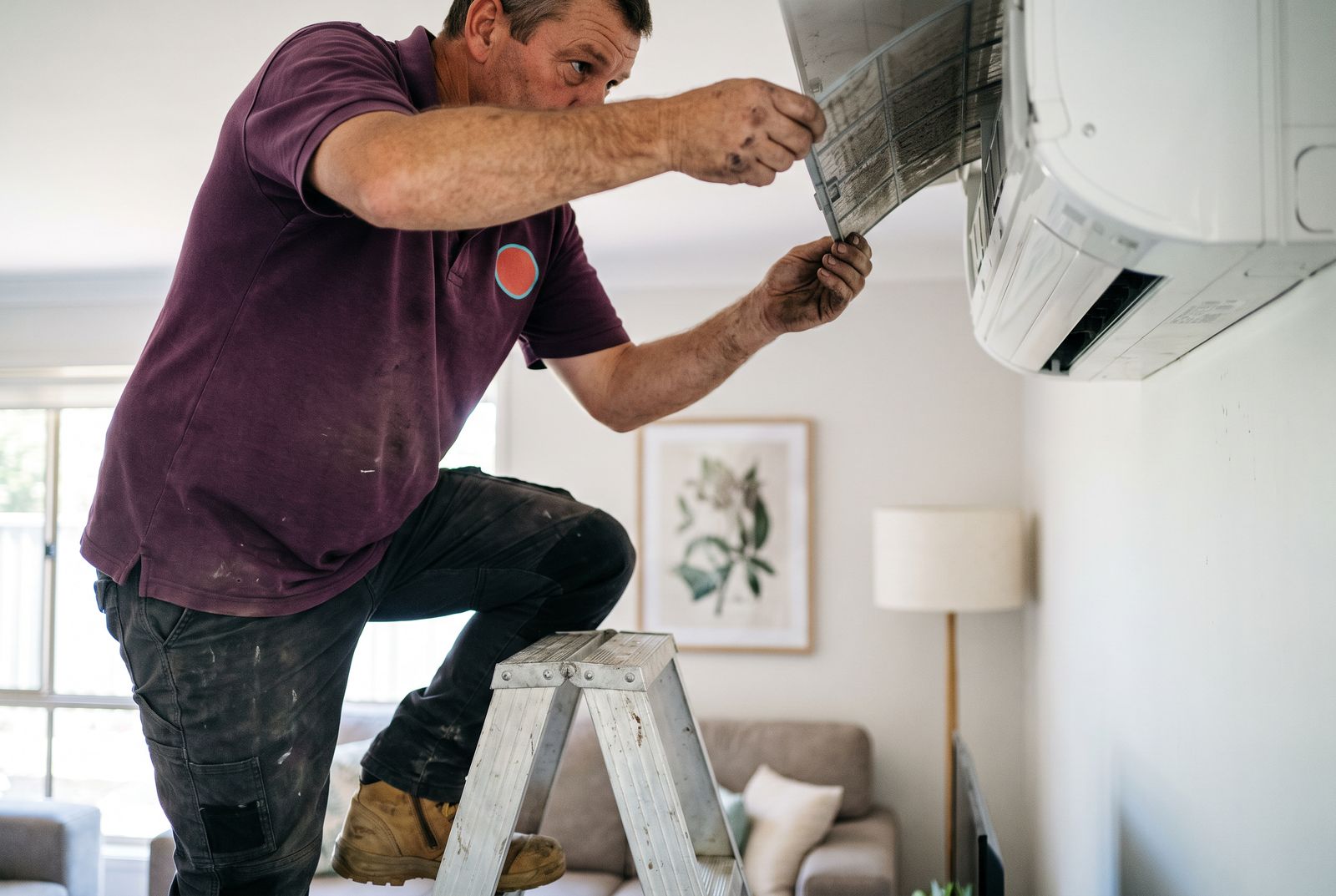 Heat Pump ServicingA proper service keeps your heat pump efficient, quiet and healthy, and catches small faults before they become expensive.
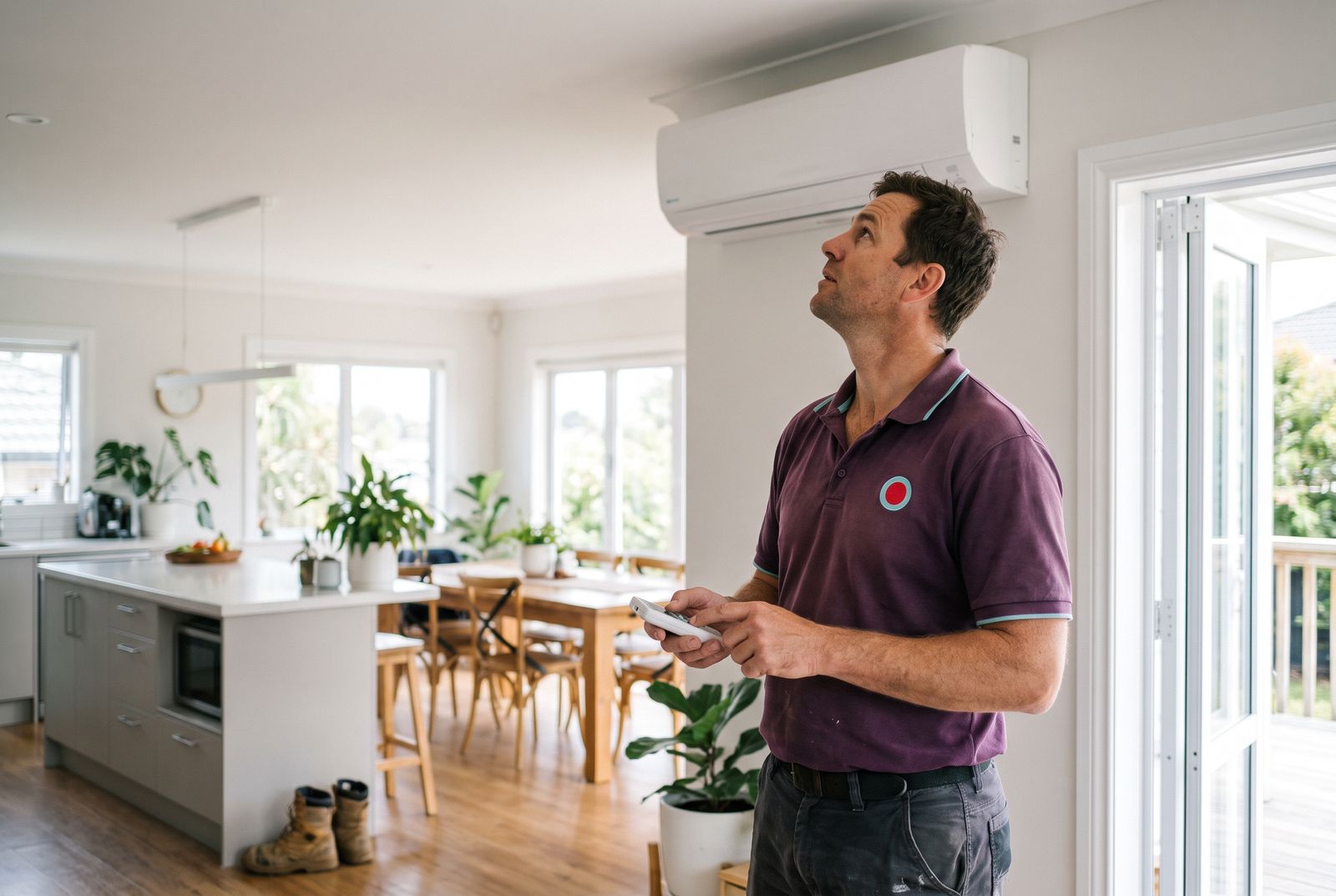 High Wall Heat PumpsThe most popular heat pump in New Zealand homes: efficient, quiet and quick to install in a lounge or bedroom.
Read Next
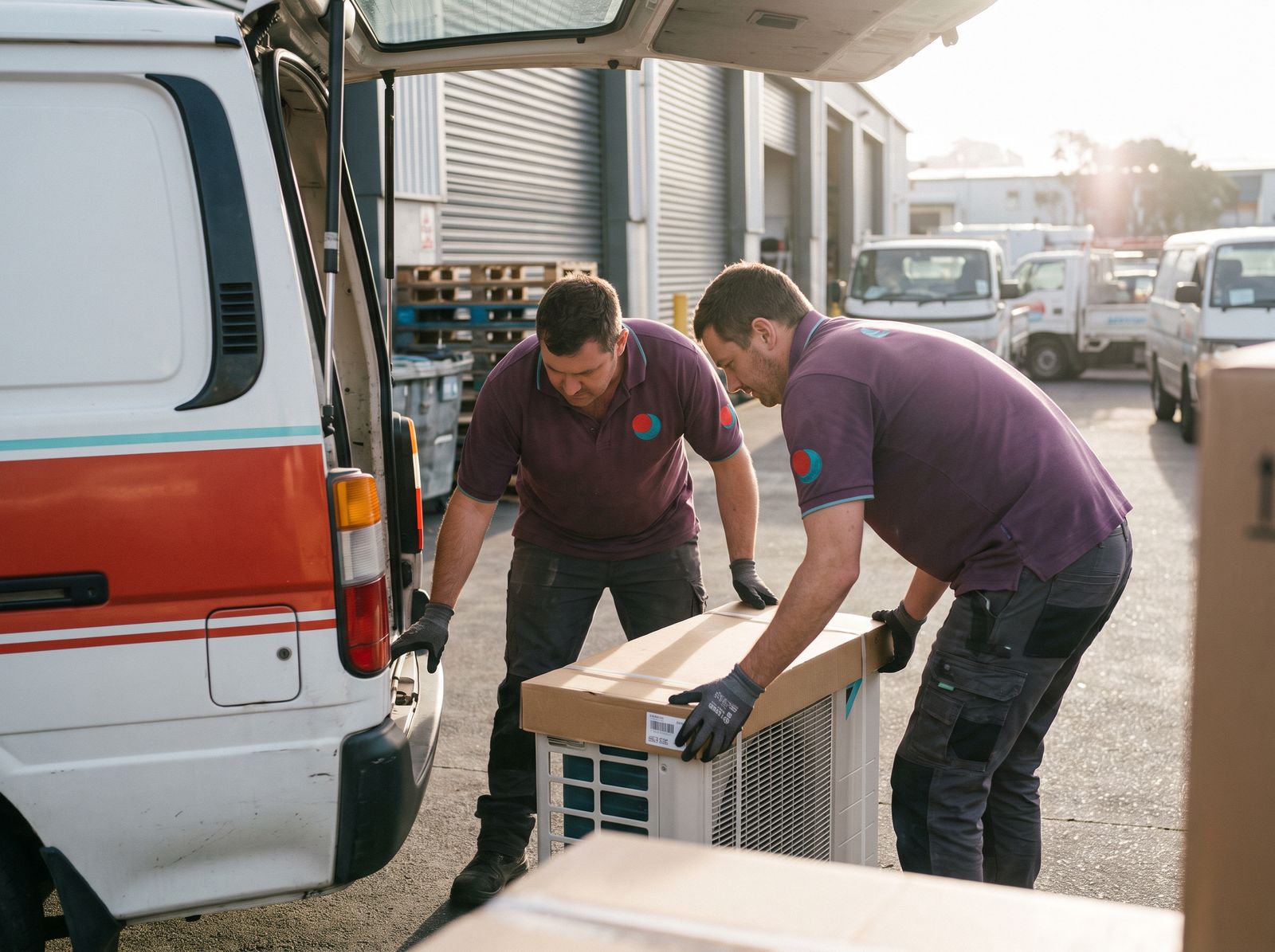
Best Heat Pump Settings for Winter (and What Dry Mode Does)
For winter, set your heat pump to Heat mode, not Auto, at 18 to 21 degrees, with the fan on Auto rather than Low or Quie...
Read article
What Size Heat Pump Do I Need? kW by Room for NZ Homes
Most bedrooms need a heat pump of about 2 to 3 kW, a typical lounge 3.5 to 5 kW and a large open-plan living area 6 kW o...
Read article
How to Clean Your Heat Pump Filter (and When to Call a Pro)
To clean a heat pump filter, switch the unit off, lift the front panel, slide the filters out, vacuum them with a soft b...
Read article